


How Many Miles Is Too Many for a Used Car? An Oahu Buyer's Guide
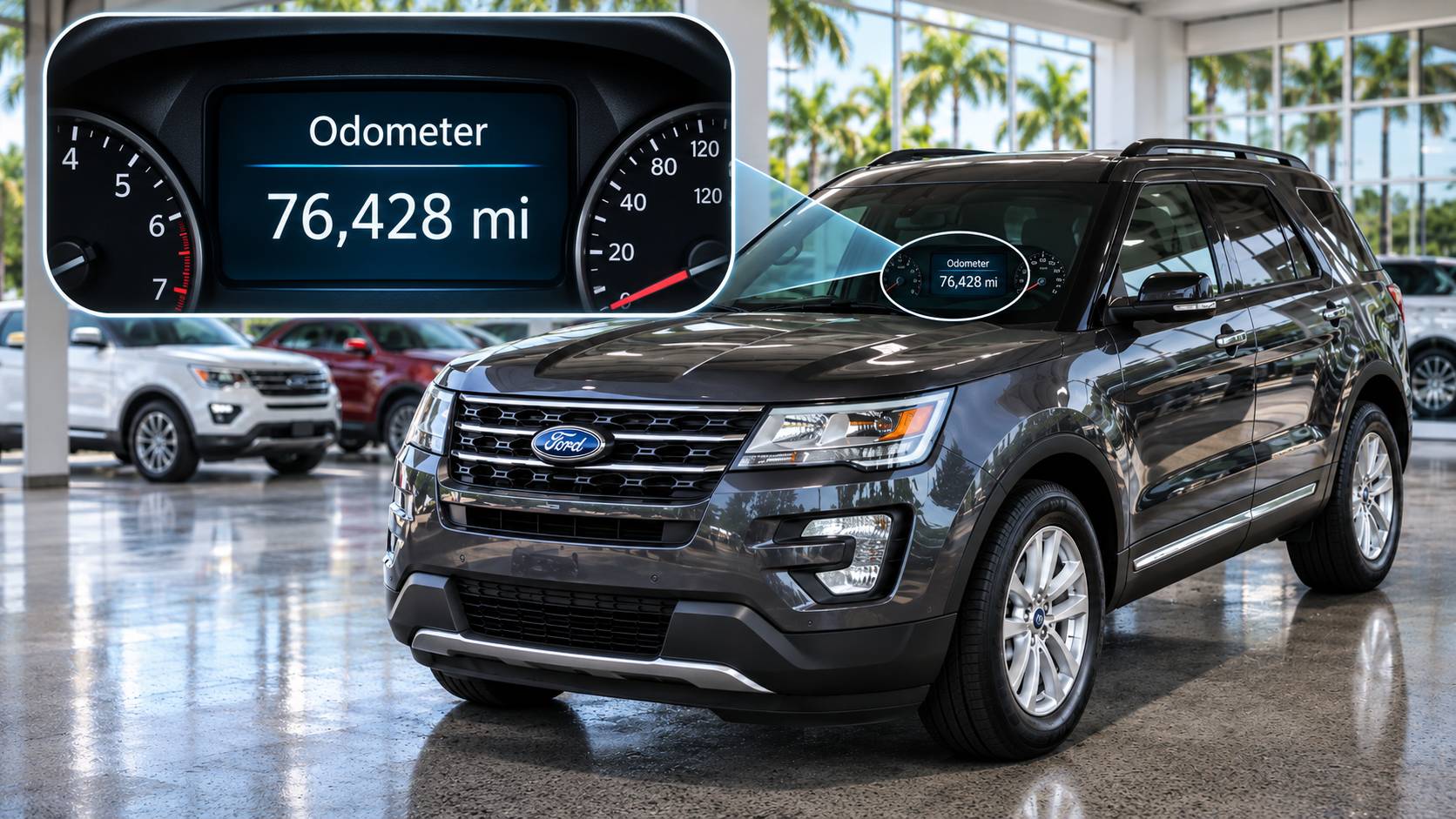
How many miles is too many for a used car? There's no single number that makes a vehicle a good or bad purchase. A well-maintained car with 100,000 miles may be a better choice than one with 50,000 miles and a history of neglected maintenance.
For Oahu drivers, mileage is only part of the story. Traffic around Honolulu, short trips through residential neighborhoods, and exposure to coastal conditions can all affect how a vehicle ages.
At Cutter Ford in Aiea, we offer used cars, SUVs, and trucks from Ford and other manufacturers. If you're comparing vehicles with different odometer readings, we'll help you understand what to consider beyond the mileage.
Is 100,000 Miles Too Much for a Used Car?
Not necessarily. Reaching 100,000 miles doesn't automatically mean a vehicle is near the end of its usable life.
The more important question is how those miles were accumulated and whether the vehicle received appropriate maintenance.
Consider two hypothetical used vehicles:
- Vehicle A: A six-year-old SUV with 105,000 miles, documented maintenance, and no major problems identified during an inspection.
- Vehicle B: A four-year-old SUV with 55,000 miles, limited maintenance records, and signs of neglected repairs.
Vehicle B has considerably fewer miles, but that doesn't automatically make it the stronger purchase.
Vehicle A may offer better value depending on its condition, inspection findings, remaining service needs, and overall ownership costs.
Mileage is a useful starting point, not a complete measure of vehicle quality.
Understanding Used-Car Mileage Ranges
Different mileage ranges raise different questions for buyers.
The following table provides general shopping considerations, not predictions about how long a vehicle will last.
| Mileage | What to consider |
|---|---|
| Under 30,000 miles | Review vehicle age, service records, and remaining warranty coverage, if any |
| 30,000–60,000 miles | Check routine maintenance and tire or brake condition |
| 60,000–100,000 miles | Review completed maintenance and upcoming manufacturer-recommended services |
| 100,000–150,000 miles | Pay closer attention to major service history, wear, and mechanical condition |
| Over 150,000 miles | Arrange a thorough inspection and budget carefully for possible repairs |
These ranges aren't universal standards. Different engines, transmissions, vehicle types, and maintenance histories can produce very different outcomes.
A used truck with 120,000 miles and complete maintenance records deserves a different evaluation from a vehicle with the same mileage and unknown service history.
Why Vehicle Age Matters as Much as Mileage
Mileage tells you how far a vehicle has traveled. Its age tells you how long various materials and components have been exposed to everyday conditions.
A vehicle that sits unused for extended periods may still experience aging in rubber seals, tires, hoses, and other components.
Similarly, a car used primarily for short trips may have experienced repeated engine starts and frequent stop-and-go operation.
Consider how a vehicle's age and mileage work together:
Older vehicle with low mileage: Check for age-related deterioration, long periods of storage, and evidence that scheduled maintenance was performed even when mileage remained low.
Newer vehicle with high mileage: Review whether the vehicle received routine service at the appropriate intervals and whether its use involved highway travel, commercial driving, or frequent short trips.
Neither situation automatically makes a vehicle unsuitable.
The goal is to understand what its previous use means for its current condition.
How Oahu Driving Conditions Can Affect a Used Car
A used vehicle's history matters everywhere, but certain local conditions deserve attention when shopping on Oahu.
Stop-and-Go Traffic
Driving through Honolulu traffic or along the H-1 can involve repeated acceleration, braking, and idling.
Those conditions may contribute to wear that isn't fully reflected by an odometer reading.
When evaluating a vehicle used primarily for commuting, consider asking about its brake maintenance, cooling system, and transmission servicing.
Salt Air and Coastal Exposure
Vehicles regularly used or parked near the coast may experience greater exposure to salt and moisture.
This can contribute to corrosion, particularly when protective finishes are damaged or maintenance is neglected.
Pay attention to:
- Undercarriage condition
- Suspension mounting points
- Visible rust around body panels
- Brake lines and related components
- Corrosion near exposed metal surfaces
Surface discoloration doesn't always indicate serious structural damage, but questionable corrosion should be evaluated by a qualified mechanic.
Short Trips and Limited Daily Driving
A lower-mileage car may have spent much of its life making short trips.
Depending on the vehicle and driving conditions, frequent short journeys may prevent some components from consistently reaching normal operating temperatures.
This is why a maintenance record can be more useful than mileage alone.
Five Things to Check Before Buying a High-Mileage Used Car
Before deciding whether a higher-mileage vehicle is worth considering, focus on the evidence available for that particular car.
1. Maintenance Records
Look for documentation of oil changes, tire servicing, brake maintenance, and manufacturer-recommended inspections.
Depending on the vehicle, additional maintenance may involve transmission fluid, coolant, spark plugs, belts, or other components.
Ask whether significant scheduled services have already been completed or may be coming due.
2. Vehicle History Report
A vehicle history report may reveal previous ownership, recorded mileage, title issues, and reported accidents.
However, reports are not guaranteed to capture every repair or incident.
The Federal Trade Commission's used-car buying guidance recommends reviewing a vehicle history report and arranging an independent inspection before purchasing.
3. Mechanical Condition
Have a qualified independent mechanic evaluate the vehicle, particularly if you're considering an older or high-mileage model.
An inspection can help identify existing problems and upcoming repair needs that may not be obvious during a short drive.
Ask about fluid leaks, suspension wear, engine performance, transmission operation, and corrosion.
4. Tire and Brake Condition
A used car with fewer miles may still need tires or brake work.
Review tire age and tread condition, and ask for a qualified assessment of the braking system.
These findings can affect your expected ownership expenses.
5. Open Safety Recalls
Before purchasing, obtain the vehicle identification number (VIN) and check for outstanding safety recalls.
You can use the free National Highway Traffic Safety Administration recall lookup tool.
An open recall doesn't necessarily mean you should reject a vehicle, but you should understand the required remedy and any applicable safety instructions before driving it.
Is a High-Mileage Used Car Worth Buying?
A higher-mileage used vehicle may make sense when its overall condition and expected ownership expenses align with your needs.
For example, a driver who wants a second household vehicle for occasional errands may have different priorities from someone who commutes across Oahu every weekday.
Consider the following questions:
- How frequently will I drive this vehicle?
- How long do I plan to keep it?
- Are the major maintenance items documented?
- Can I comfortably handle potential repair expenses?
- Does the vehicle meet my safety and transportation needs?
- What did an independent inspection reveal?
A vehicle with more miles may be worth considering when these answers support the decision.
On the other hand, if inspection findings reveal substantial unresolved problems, a lower-mileage alternative may be more practical.
The right choice depends on the vehicle, not just its odometer.
Should You Consider a Certified Pre-Owned Vehicle?
If documented inspection standards and manufacturer-backed warranty coverage are priorities, a certified pre-owned vehicle may be worth comparing with a conventional used model.
At Cutter Ford, we participate in the Ford Blue Advantage program, which includes Gold Certified and Blue Certified used vehicles.
Ford also describes an EV Certified category for eligible electric vehicles.
Certification is different from simply being listed as used. Eligible vehicles must meet the applicable program requirements.
You can explore our Ford Blue Advantage information to understand the program and review the different certification categories.
Ford's program terms and benefits vary by certification category and may change. Confirm the current coverage documents and exact certification status for any individual vehicle.
Not every used vehicle is certified. Always verify the designation shown on a specific listing.
Find Used Cars That Fit Your Needs at Cutter Ford
If you're shopping for used cars on Oahu, start by comparing vehicles that fit your daily driving needs rather than choosing based on mileage alone.
At Cutter Ford, we offer used vehicles from Ford and other manufacturers, including cars, SUVs, and trucks.
You can browse our used vehicle inventory to review available listings and compare model years, mileage, and features.
When a vehicle catches your attention, confirm its current availability and request more information about its history and condition.
If you want to compare vehicles that meet Ford's certification requirements, you can also explore our certified pre-owned inventory.
For broader guidance about the purchase process, read our existing used-car buying guide, which introduces the inventory and common purchasing considerations.
Visit Our Dealership in Aiea
We're located at:
Cutter Ford
98-015 Kamehameha Hwy
Aiea, HI 96701
Sales: (808) 564-9777
Sales Hours:
- Monday–Saturday: 8:30 AM–8:00 PM
- Sunday: 9:00 AM–5:00 PM
Before visiting, contact our sales team to confirm the vehicle you'd like to see.
Browse Used Cars at Cutter Ford
Whether you're comparing a low-mileage commuter or considering a higher-mileage truck, we're here to help you explore your options and ask the right questions before making a decision.