
Ford F-150 Towing Maintenance Checklist for Oahu Drivers
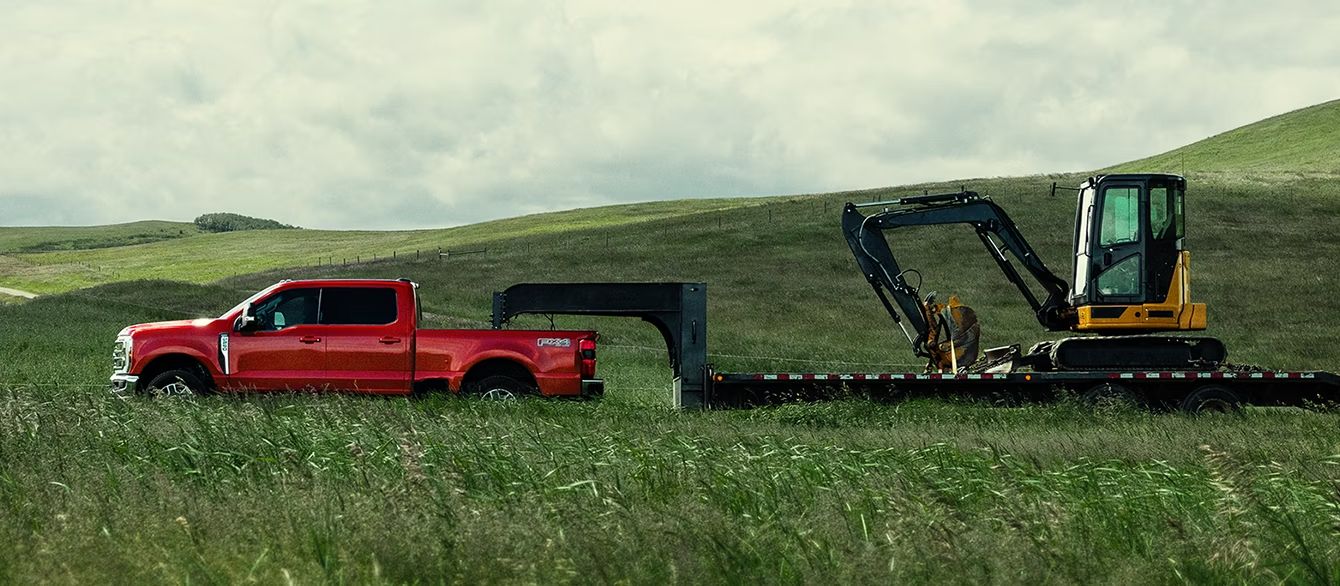
If you regularly tow a trailer, work equipment, or recreational gear with your Ford F-150, maintenance deserves extra attention. Towing places additional demands on your truck's braking system, tires, engine, and other components, particularly when driving with heavy loads or through frequent stop-and-go traffic.
At Cutter Ford in Aiea, we help Ford truck owners maintain their vehicles through routine inspections, brake services, tire maintenance, and mechanical repairs. Whether you use your F-150 for weekend towing or work-related hauling, understanding what to check before and after towing can help you recognize problems before they affect your next trip.
This guide covers the maintenance areas worth monitoring and explains when to schedule professional service.
Why Towing Changes Your Ford F-150 Maintenance Needs
The Ford F-150 is designed with different towing capabilities depending on its model year, engine, drivetrain, and equipment configuration. However, even a properly equipped truck experiences additional demands when pulling a trailer.
Towing increases the total weight your vehicle must accelerate and slow down. The added load can influence engine operating conditions, transmission temperatures, braking performance, and tire wear. Frequent towing may also affect the maintenance schedule applicable to your specific vehicle.
On Oahu, regular traffic along major routes such as H-1 can mean repeated acceleration and braking while towing. Coastal exposure is another reason to monitor exposed components for corrosion, especially if your truck regularly operates near saltwater.
Ford provides model-specific maintenance requirements in its owner's manuals, including additional guidance for certain demanding operating conditions. We recommend reviewing the schedule for your exact truck rather than assuming every F-150 follows the same intervals.
You can explore the manufacturer's official towing resources and contact our Ford Service Center if you're unsure which maintenance recommendations apply.
What to Inspect Before Towing With Your F-150
A pre-trip inspection doesn't replace scheduled maintenance, but it can help you identify visible problems before connecting a trailer and heading onto the road.
The areas below are particularly important when preparing an F-150 for towing.
Tires and Tire Pressure
Your tires support the combined demands of vehicle weight, passengers, cargo, and the additional load transferred from the trailer.
Before towing, check the truck's tire pressure when the tires are cold and compare it with the vehicle's recommended specifications. Inspect the tread and sidewalls for uneven wear, cuts, bulges, or other visible damage. The trailer's tires also need to be checked according to the trailer manufacturer's requirements.
Avoid assuming that higher tire pressure automatically improves towing safety. Overinflation and underinflation can both affect handling and tire performance.
At Cutter Ford, we provide tire services and wheel alignments for Ford vehicles. If you notice unusual tire wear or steering behavior, our service department can help assess the concern.
Brakes and Stopping Performance
Towing increases the importance of properly functioning brakes because your vehicle must manage additional weight while slowing down.
Pay attention to grinding noises, persistent squealing, vibration while braking, unusual pedal feel, or changes in stopping performance. These symptoms can indicate that the brake system needs inspection.
Our brake service information explains common warning signs and the components considered during a professional inspection, including brake pads, rotors, calipers, and hydraulic components.
If your F-150 has a brake warning light, substantially reduced braking performance, or an unusually soft pedal, do not continue towing. Stop in a safe location and arrange an appropriate professional assessment.
Trailer Connections and Lighting
Before every towing trip, confirm that your trailer is connected correctly and that the hitch, safety chains, electrical connections, and trailer lights are functioning as intended.
If your trailer has a separate braking system, check that its equipment operates correctly and complies with applicable requirements.
Ford's towing guidance includes information about vehicle ratings, trailer setup, and important towing considerations. Always follow the instructions for your particular truck and trailer combination.
Maintenance Areas to Monitor After Frequent Towing
Not every towing trip requires a dealership appointment. However, trucks used regularly for towing deserve consistent maintenance records and attention to changes in vehicle behavior.
| Maintenance Area | What F-150 Owners Should Monitor |
|---|---|
| Engine oil | Oil-life information, service history, and applicable maintenance intervals |
| Transmission | Unusual shifting, warning messages, leaks, or changes in performance |
| Brakes | Noise, vibration, braking response, and inspection findings |
| Tires | Pressure, tread wear, visible damage, and alignment concerns |
| Cooling system | Temperature warnings, coolant condition, and visible leaks |
| Suspension | Uneven ride height, unusual noises, and changes in handling |
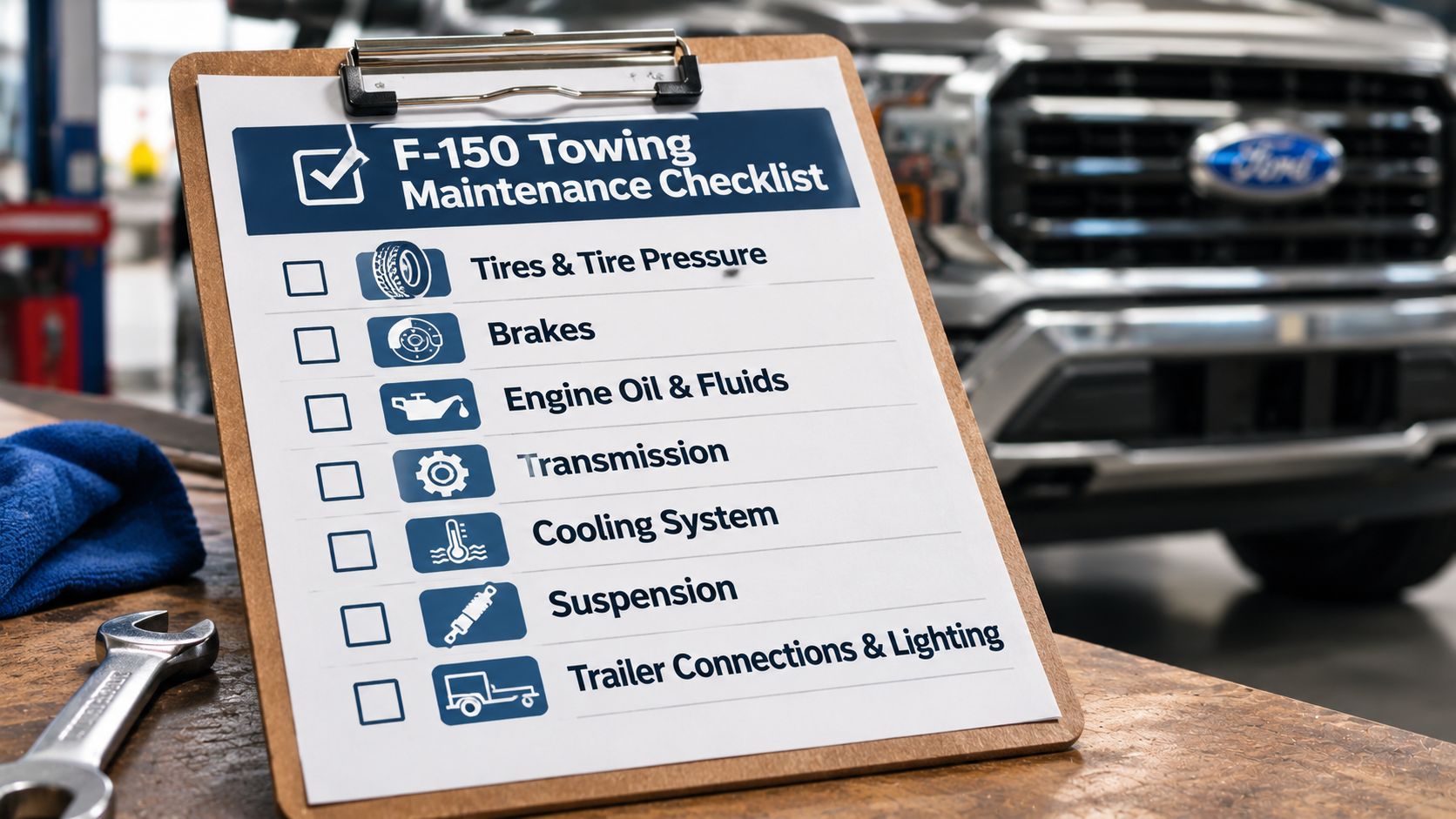
These are general inspection priorities, not a replacement for your Ford owner's manual. Maintenance requirements vary by model year and configuration, and some demanding driving conditions can require additional attention.
Engine Oil and Fluid Maintenance
Your F-150's engine oil helps protect internal engine components during operation. Ford's recommended oil specification and maintenance schedule depend on the vehicle's particular engine and model year.
If you frequently tow heavy loads, ask our service team whether your driving conditions affect the maintenance schedule you should follow. Our Ford Service Center offers oil changes, filter replacements, fluid services, and related inspections.
Don't assume that a single mileage interval applies to every F-150. Use the manufacturer's guidance and any applicable oil-life monitoring information.
Transmission and Cooling System Concerns
Towing can place additional demands on the transmission and cooling system. Warning messages, unusual temperature readings, fluid leaks, or changes in shifting behavior should be assessed rather than ignored.
Some vehicles have towing-related features designed to support operation under load, but these do not eliminate the need for maintenance or guarantee that overheating cannot occur.
If your truck displays a temperature warning, follow the instructions in its owner's manual and stop safely when directed. Continuing to tow with a significant overheating concern may cause further damage.
At Cutter Ford, we offer vehicle diagnostics and mechanical repair services. Contact our service department to discuss unusual operating symptoms before your next towing trip.
How Often Should You Service an F-150 Used for Towing?
The correct maintenance schedule depends on your F-150's model year, engine, operating conditions, and Ford's recommendations.
A truck used for occasional light towing may have different maintenance needs from one that regularly pulls substantial loads. Frequent towing, prolonged idling, and demanding operating conditions can influence which manufacturer maintenance guidance applies.
We recommend reviewing your owner's manual and keeping records of your truck's maintenance history. If your usage changes significantly, such as beginning regular towing for work, discuss the new operating conditions with a service advisor.
For practical planning, maintain a record of:
- The date and mileage of completed maintenance
- Brake and tire inspection findings
- Any unusual vehicle symptoms
- Repairs and replacement parts
- Recurring warning messages or concerns
These records make it easier to explain changes in your truck's performance when scheduling an appointment.
When Should You Schedule Professional Ford Truck Service?
Certain warning signs deserve attention before towing again. If your vehicle develops persistent brake noises, unusual steering behavior, fluid leaks, or repeated dashboard warnings, schedule a professional evaluation.
A general inspection can also be useful before increasing your truck's towing workload, especially if you've recently purchased a used F-150 or don't have complete maintenance records.
At Cutter Ford, our Service Center offers maintenance and repair services for Ford vehicles, including brakes, tires, batteries, diagnostics, and engine-related concerns.
We also provide genuine Ford and Motorcraft parts through our Parts Center. If your F-150 requires replacement maintenance components, our parts team can help identify suitable parts for your vehicle.
For certain eligible services, Ford Mobile Service may provide maintenance at your home or workplace. Service type, vehicle eligibility, and distance limitations apply, so contact us to confirm availability.
Schedule Your Ford F-150 Maintenance at Cutter Ford in Aiea
Your F-150 may be ready for towing, but regular maintenance helps you stay informed about the condition of the vehicle you depend on. Whether you're planning a weekend trip with a trailer or using your truck to transport work equipment, our team can help you review its service needs.
At Cutter Ford, we provide maintenance and repair support for Oahu Ford owners from our dealership at 98-015 Kamehameha Hwy, Aiea, HI 96701.
Ready to prepare your F-150 for its next towing job? Choose your next step:
1. Schedule Your Ford Truck Service: Use our online service appointment tool to request maintenance, an inspection, or an appointment to discuss a vehicle concern.
2. Explore Current Service Offers: Visit our Service Specials page to review any applicable maintenance offers before scheduling. Availability and terms may change.
3. Ask About Genuine Ford Parts: Visit our Ford Parts Center to explore replacement parts or contact our team about components for your particular F-150.
Prefer to speak with our service team? Call (808) 564-9216 to discuss your truck's symptoms, maintenance history, or upcoming towing needs.
Our service department is located in Aiea and currently lists hours Monday through Friday, 7:30 AM to 5:00 PM, and Saturday, 8:00 AM to 3:30 PM. Sunday service is closed. Confirm appointment availability before visiting.
Keep your F-150 prepared for the work ahead. Schedule service with Cutter Ford today and let our team help you review your truck's maintenance needs before your next towing trip.