

Ford XLT vs. XL: Which Trim Is Right for Oahu Drivers?
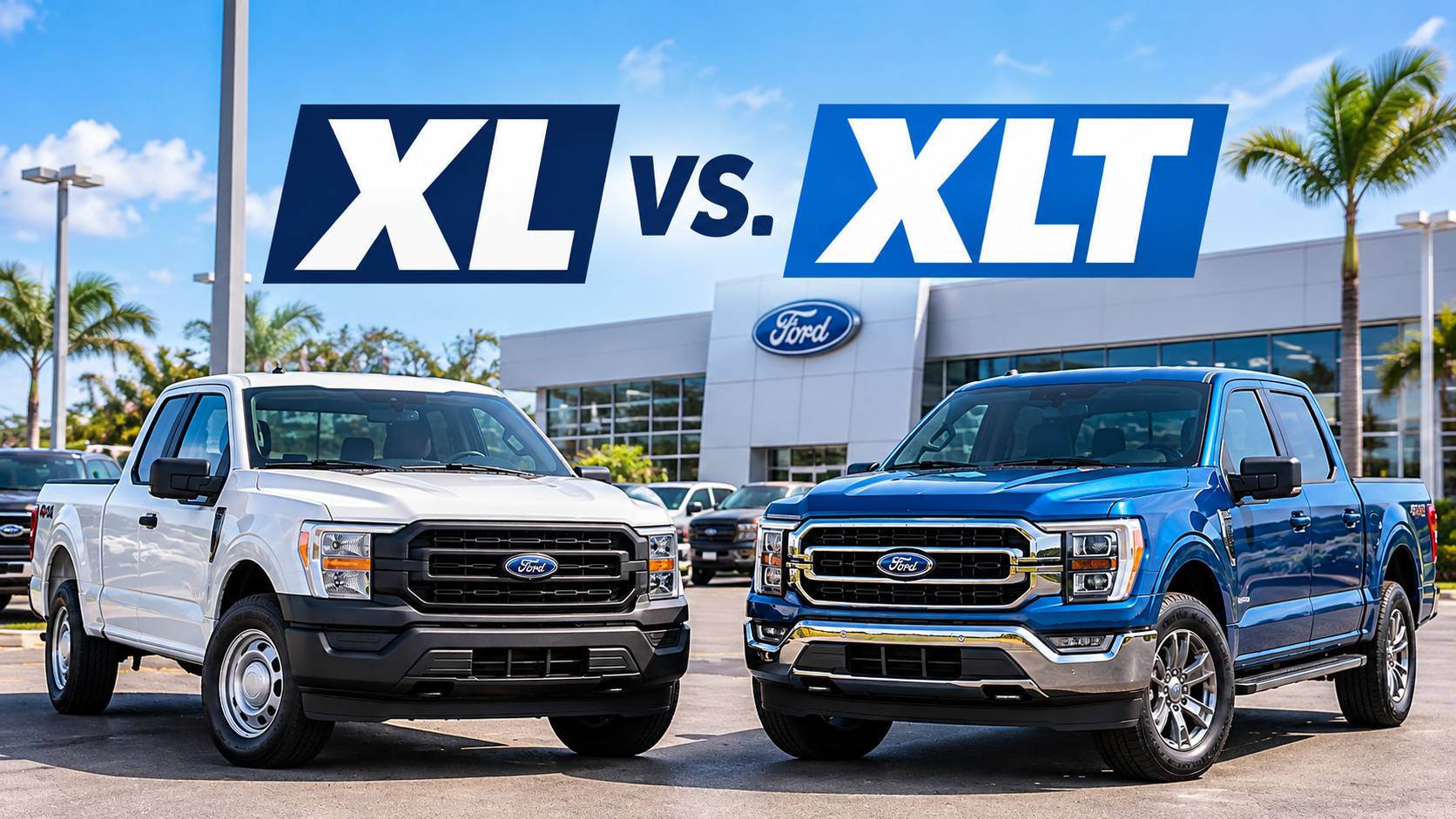
Choosing between a Ford XL and XLT comes down to how you plan to use your vehicle. The XL typically focuses on everyday utility, while the XLT offers additional comfort, convenience, and available equipment.
If you're looking for a Ford dealership on Oahu, understanding these differences can help you narrow your options before taking a test drive.
At Cutter Ford in Aiea, we help drivers explore new and used Ford vehicles that fit their needs. Whether you're shopping for a work truck, a daily commuter, or something for weekend trips, here's what to know about the XLT trim.
What Does XLT Mean on a Ford?
XLT is a Ford trim designation used on several trucks and SUVs. While some sources interpret the letters as "Extra Level of Trim," that expansion should not be treated as Ford's official definition.
What matters to shoppers is the equipment included with the trim.
On many Ford trucks, XLT sits above the entry-level XL. It generally adds appearance or convenience features and may provide access to additional packages.
You'll find the XLT designation on models such as the Ford F-150, Ranger, Maverick, and certain Super Duty trucks. It also appears on selected Ford SUVs, depending on model year.
However, XLT does not mean identical features across every Ford vehicle. An F-150 XLT and a Ranger XLT have different equipment, so it's important to compare the specific model and year you're considering.
Ford XL vs. XLT: What's the Difference?
The XL is generally designed for buyers who prioritize practical equipment and functionality. The XLT builds on that foundation with additional standard or available features.
Here's a general comparison:
| Feature | Ford XL | Ford XLT |
|---|---|---|
| Primary focus | Practical utility | Utility with added convenience |
| Interior | Functional materials and equipment | Additional comfort options |
| Exterior | More basic styling | Additional appearance features |
| Technology | Core connectivity features | More available convenience technology |
| Equipment packages | Model-dependent options | Additional options on many models |
| Ideal buyer | Work-focused or value-conscious shopper | Daily driver seeking more equipment |
These differences vary by vehicle and model year. Some features associated with higher trims may already be standard on newer XL models.
For example, Ford's 2026 F-150 trim comparison shows that a 12-inch center touchscreen is not exclusive to the XLT. That's why we recommend comparing actual equipment rather than relying on general trim descriptions.
When the XL Makes Sense
The XL is worth considering if you need a truck primarily for work or transportation.
It may be suitable for:
- Contractors who need a practical pickup for equipment and supplies.
- Businesses purchasing vehicles for fleet use.
- Drivers who prefer essential features over optional upgrades.
- Buyers prioritizing a particular engine or cab configuration.
For Oahu businesses, we also have a dedicated commercial vehicle team that can help with work truck and fleet inquiries.
When the XLT Makes Sense
The XLT may be worth the additional investment if your truck also serves as your everyday vehicle.
Consider the XLT if you value:
- Additional interior comfort or convenience features.
- Available technology and driver-assistance equipment.
- More exterior appearance options.
- Equipment packages suited to towing or recreation.
If you're commuting between Kapolei and Honolulu or spending weekends exploring Oahu, comfort and convenience may influence your choice just as much as engine capability.
The right decision depends on which features you'll actually use.
Ford Models That Offer the XLT Trim
Ford uses the XLT name across several vehicle lines, but the available equipment varies.
Ford F-150 XLT
The F-150 XLT is worth considering if you want a full-size pickup with flexible equipment choices.
For the 2026 model year, Ford lists the following engine options for the F-150 XLT:
- 2.7L EcoBoost V6
- 3.5L EcoBoost V6
- 5.0L V8
- 3.5L PowerBoost Full Hybrid V6
Available features include towing assistance technology, appearance packages, and additional driver-assistance equipment.
You can explore the 2026 Ford F-150 XLT specifications to compare configurations.
Ford Ranger XLT
The Ranger XLT is an option for drivers who prefer a midsize truck.
The 2026 model offers a standard 2.3L EcoBoost engine, with an available 2.7L EcoBoost V6 on qualifying configurations.
Ford also lists equipment such as the Sport Appearance Package and available technology packages.
The Ranger's smaller dimensions may appeal to drivers who frequently navigate parking areas and tighter streets around Oahu.
See Ford's Ranger XLT features for current model details.
Ford Maverick and Super Duty XLT
The Maverick XLT serves shoppers interested in a compact pickup, while Super Duty XLT models address heavier-duty truck needs.
Although they share the XLT name, their capabilities and configurations are substantially different.
For this reason, we recommend choosing the vehicle category first, then comparing trims within that model.
How Much Does a Ford XLT Cost in Hawaii?
The cost of a Ford XLT depends on the model, model year, configuration, and equipment selected.
An XLT is typically positioned above the corresponding XL trim, but the actual difference depends on which vehicles you're comparing.
Several choices can affect the final purchase amount:
- Engine and drivetrain
- Cab and bed configuration
- Equipment packages
- Optional accessories
- Applicable taxes and other purchase charges
Hawaii buyers should also confirm vehicle-specific pricing directly rather than assume a mainland advertised figure represents the final local purchase amount.
When comparing vehicles, ask for an itemized quote that shows the equipment included and the applicable charges.
At Cutter Ford, you can explore our new Ford inventory to identify vehicles that match your preferences.
You can also review our current new-vehicle specials for offers that may apply to your purchase.
Is a Used Ford XLT Worth Considering?
A used XLT can be a practical alternative if you want additional equipment without choosing a new vehicle.
However, the XLT badge alone doesn't tell you everything about a used truck.
Before purchasing, pay attention to the following.
Model year and equipment: Ford changes standard features and optional packages over time. Confirm what's included on the exact vehicle.
Mileage and maintenance: Review available service records and evaluate the vehicle's maintenance history.
Drivetrain: Check whether the vehicle has 4x2 or 4x4 and whether that configuration suits your driving needs.
Vehicle condition: Look for wear affecting the undercarriage, suspension, brakes, and body.
Oahu's coastal environment makes corrosion an important inspection consideration, particularly for vehicles that spend significant time near saltwater.
We also recommend checking the vehicle identification number through the NHTSA recall lookup to identify applicable open safety recalls.
At Cutter Ford, we carry used vehicles from Ford and other manufacturers. Browse our used vehicle inventory to explore current options.
You can also review our certified pre-owned inventory and ask about applicable Ford Blue Advantage certification and warranty terms.
What About Ford X-Plan Pricing?
Some shoppers considering an XLT also want to know whether they qualify for Ford X-Plan pricing.
X-Plan is an eligibility-based Ford pricing program associated with qualifying partner organizations and other eligible participants. It is not a general discount automatically available to every buyer.
Eligibility, participating vehicles, program rules, and dealer participation must be confirmed before a purchase.
If you believe you're eligible, check your status through Ford's official program process and ask our sales team whether the program applies to the vehicle you're considering.
Ford also offers other eligibility-based programs. You can review Ford's current offers for information about available opportunities and their conditions.
Do not assume separate programs or offers can be combined.
How to Choose the Right XLT for Your Needs
Before visiting a Ford dealership, it helps to narrow down the features that matter to you.
We recommend starting with these questions:
- What will you use the vehicle for? Daily commuting, work, family transportation, and towing place different demands on a truck.
- How much passenger space do you need? Compare cab layouts and seating arrangements.
- Will you tow or haul equipment? Confirm the capacity of the exact vehicle configuration.
- Which technology features matter? Compare standard and optional equipment rather than assuming every XLT includes the same features.
- Would a used XLT meet your needs? Consider the condition, equipment, and purchase terms of available used vehicles.
For towing, Ford's official towing resources can help you review vehicle-specific requirements.
Remember that an XLT badge doesn't determine towing capacity. Engine selection, drivetrain, axle configuration, and other equipment can affect the vehicle's ratings.
Once you've narrowed down your choices, a test drive can help you evaluate visibility, seating comfort, and everyday handling.
Explore Ford XL and XLT Options at Cutter Ford
The XL and XLT each offer advantages. The XL may make more sense when practical equipment is your priority, while the XLT can appeal to drivers who want additional comfort or available features.
At Cutter Ford, we can help you compare configurations and explore new or used Ford vehicles based on your needs.
Visit us at 98-015 Kamehameha Hwy, Aiea, HI 96701, or call our sales team at (808) 564-9777.
You can also contact our team online to ask about XLT options, request vehicle details, or arrange a test drive.
We're here to help you make an informed choice for driving on Oahu.