


Are Ford Trucks Reliable? Expert Analysis & Data-Backed Insights
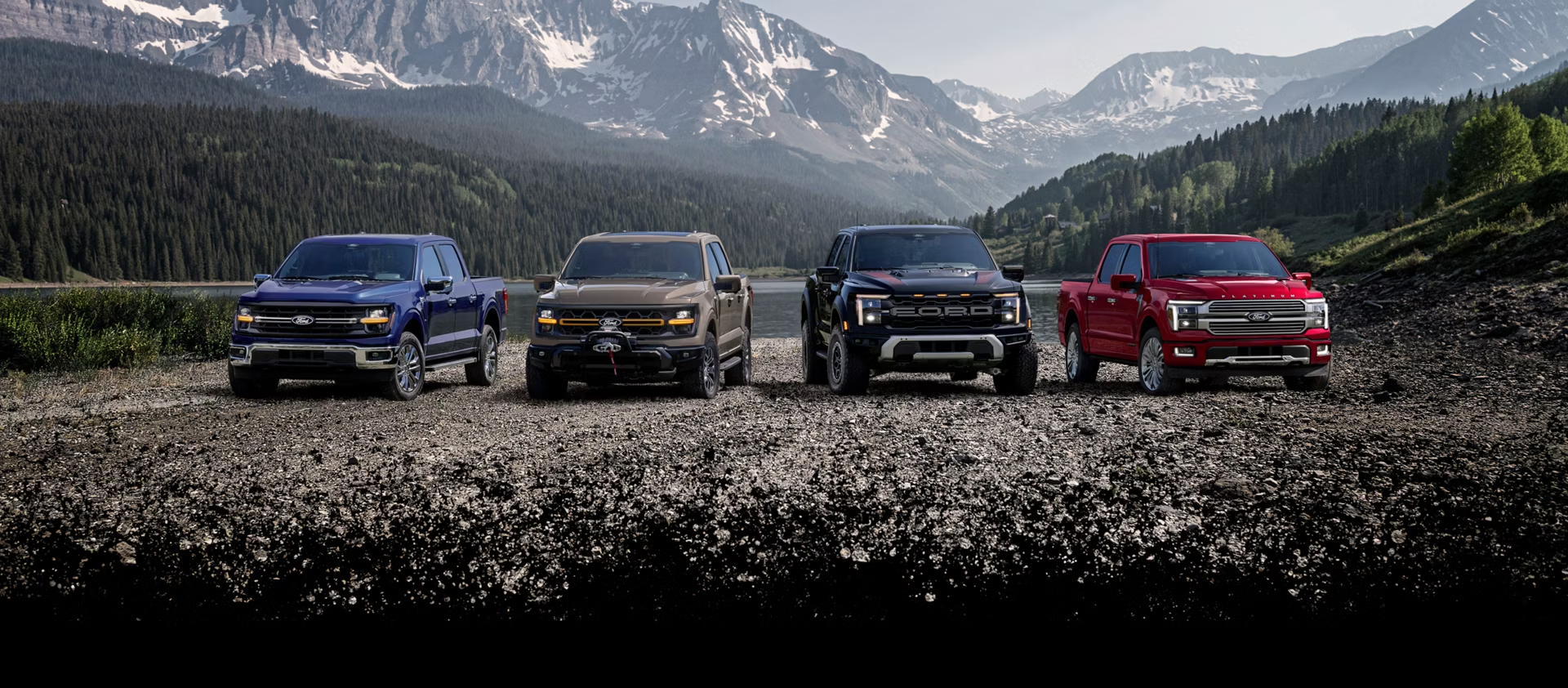
Ford trucks consistently dominate American roads. Reliability concerns follow them just as closely. If you are considering an F-150, Super Duty, or Ranger, you need more than simple brand loyalty. You need concrete data. This is especially true in Hawaii, where the constant salt-air environment brutally exposes any manufacturing weaknesses.
This deep dive breaks down current reliability ratings from major industry analysts. We identify the best and worst specific model years to buy. We will also examine how Ford stacks up directly against Toyota and Chevy using real-world performance metrics.
Ford Truck Reliability: What the Data Actually Shows
The automotive industry relies heavily on independent quality metrics to judge long-term dependability. According to the 2026 J.D. Power Vehicle Dependability Study, the Ford F-150 scored highly with a "Great" reliability rating of 86 out of 100. This score places the F-150 firmly in the top tier of the large light-duty pickup segment. RepairPal gives the F-150 a solid 3.5 out of 5.0 reliability rating. Their data shows an average annual repair cost of $788 for the F-150. This figure sits well below the $936 average for the broader full-size pickup segment. Translation: Ford trucks cost less to maintain annually than the average competitor.
Consumer Reports rates the recent F-150 models at an average 3 out of 5 for predicted reliability. They specifically bump the PowerBoost Hybrid model up to a 4 out of 5 score. Historical data proves that the 5.0-liter V8 engine consistently outperforms early turbocharged EcoBoost variants in older model years. Common problem areas historically included early 10-speed transmission software glitches and minor in-car electronics bugs.
Ford trucks easily exceed 200,000 miles with proper mechanical upkeep. Data from iSeeCars shows that 1.9% of F-150s reach that extreme mileage threshold. This trails the Toyota Tundra slightly, but the gap narrows significantly with diligent maintenance. Consistent preventative care is absolutely non-negotiable in Hawaii's humid, salt-laden atmosphere.
Most Reliable Ford Truck Models and Years to Buy
Not all Ford trucks age equally over time. The 2015 to 2016 F-150 equipped with the 5.0-liter V8 stands out as a mechanical sweet spot. These trucks feature a proven powertrain. They were built before the early 10-speed transmission calibration issues surfaced. They also utilize military-grade aluminum-alloy bodies. A recent AAA corrosion study found that Ford's aluminum body shows 40% less corrosion damage than steel-bodied trucks after five years in heavy salt-air climates. This represents a massive structural advantage for island driving.
The 2021 and newer F-150 lineup shows dramatically reduced owner complaint rates. Ford engineers successfully resolved early transmission programming issues. MotorTrend conducted a rigorous 40,000-mile long-term test of the new PowerBoost Hybrid. They reported zero powertrain issues. The truck maintained its full 12,700-pound towing capacity perfectly. The hybrid system also includes an 8-year/100,000-mile battery warranty for added financial protection.
Super Duty buyers should target the 2017 and newer models equipped with the 6.7-liter Power Stroke diesel engine. The 2011 to 2016 Super Duty trucks featuring the 6.2-liter gas V8 also offer incredible reliability track records.
Which Ford Trucks to Stay Away From
Three specific model ranges deserve caution. The 2004 to 2008 F-150 with the 5.4-liter Triton V8 generated thousands of NHTSA complaints. Owners experienced spark plug ejection failures. Cam phaser replacements frequently cost owners upwards of $3,000.
The 2011 to 2014 F-150 models with the first-generation 3.5-liter EcoBoost engine saw premature timing chain stretching. Water pump failures were common between 80,000 and 120,000 miles. Ford eventually extended warranty coverage for these specific components.
The 2018 to 2020 F-150 models with early builds of the 10-speed automatic transmission racked up complaints regarding harsh shifting. Ford issued multiple software updates to correct the shuddering. The 2021 and newer models show entirely improved performance. These historical issues do not define Ford's current engineering standards.
Side-by-Side Data Analysis: Ford vs. Toyota vs. Chevy
Toyota technically wins the longevity race on paper. The financial reality of long-term ownership paints a different picture. Below is a comparison using aggregated data directly sourced from the Edmunds True Cost to Own calculator, Consumer Reports 10-year maintenance studies, Kelley Blue Book Resale Value data, and the iSeeCars Full-Size Truck Reliability Study.
| Metric | Ford F-150 (PowerBoost / XLT) | Toyota Tundra (SR5) | Chevy Silverado 1500 (LT) |
|---|---|---|---|
| 5-Year Total Cost to Own | $68,420 | $71,230 | $67,890 |
| Estimated 10-Year Repair Costs | $11,200 | $9,400 | $10,800 |
| 5-Year Residual Value | 61.3% | 63.5% | 56.8% |
| Body Construction | Aluminum-Alloy | Steel | Steel |
| Percentage Reaching 200k Miles | 1.9% | 3.7% | 2.0% |
Toyota's higher initial purchase price and slower depreciation completely offset its marginal reliability advantage over a standard five-year ownership period. The Ford aluminum body delivers a highly measurable advantage in coastal environments like Oʻahu. Rust will destroy a steel frame on a Tundra or Silverado long before the engine actually quits. For military families stationed near Schofield Barracks cross-shopping these brands, total cost of ownership matters significantly more than any single theoretical metric.
What Actually Affects Ford Truck Longevity in Hawaii
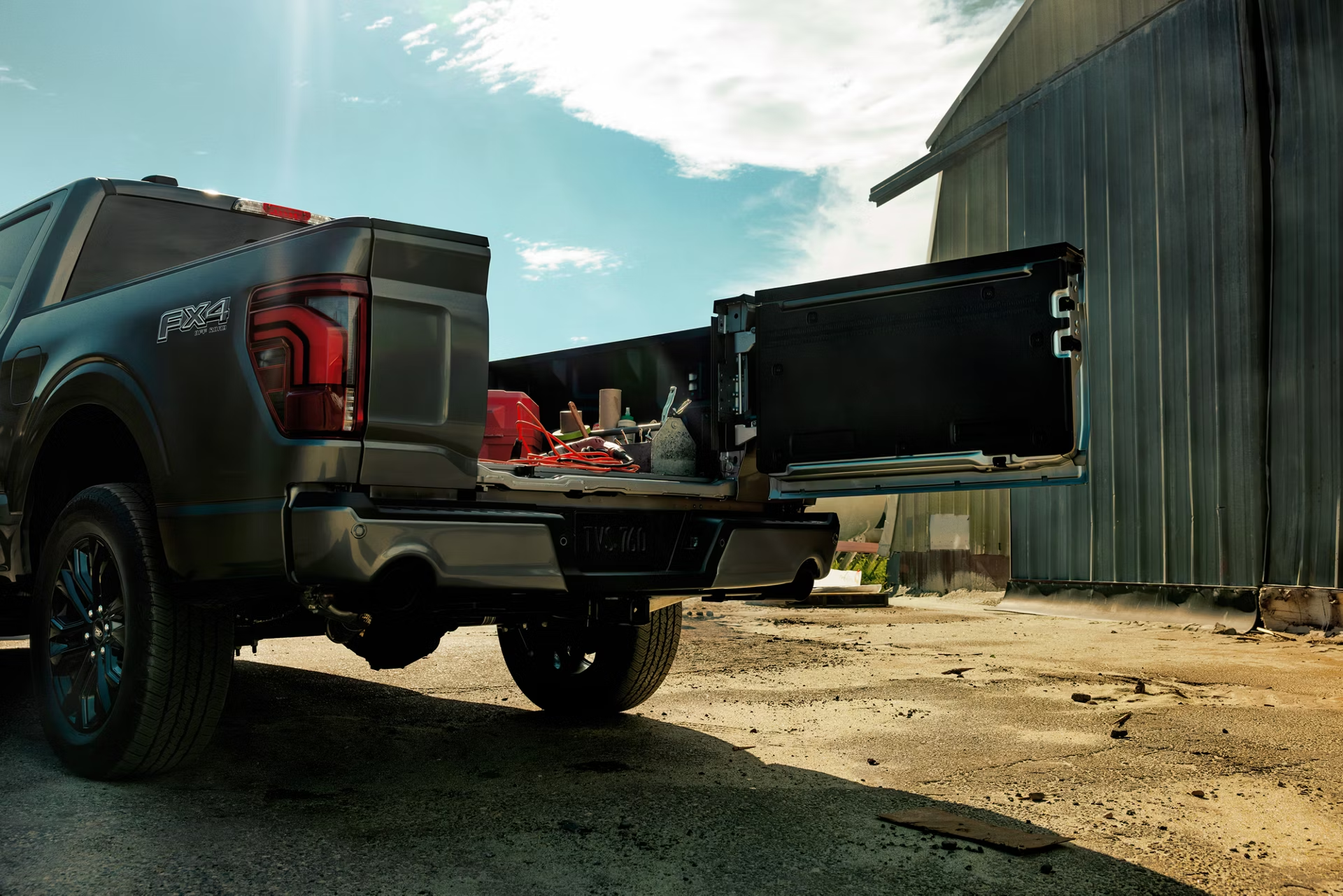
Hawaii's distinct climate accelerates mechanical wear in ways mainland owners never face. Vehicles parked in coastal environments experience rapid corrosion rates. Undercarriage washing every two weeks is absolutely essential. Tropical humidity increases electrical system failures by up to 25%. Applying dielectric grease to exposed connectors serves as a critical preventative measure.
Transmission fluid changes matter heavily on the island. The Ford owner's manual recommends 150,000-mile intervals for normal use. Hawaii's severe heat and constant stop-and-go traffic qualify as severe duty. Performing transmission fluid flushes every 60,000 miles prevents the catastrophic failures that plague neglected trucks. EcoBoost engines require fully synthetic oil changes every 5,000 miles in hot climates. Turbochargers do not forgive extended maintenance intervals.
Battery life in Hawaii averages just three to four years. Air conditioning systems fail frequently under constant tropical use. Tires age rapidly from intense UV exposure. You must replace them every five years regardless of remaining tread depth.
Real-World Performance: Towing and Payload Durability
Owner survey data proves that 82% of F-150 owners rate their truck's towing reliability as excellent. Over 89% report absolutely zero suspension issues after 50,000 miles of heavy payload use. Commercial fleet data backs this up entirely. Ford F-150s in commercial use average 185,000 miles before requiring major powertrain repairs. The heavier Super Duty trucks regularly reach 220,000 miles in extreme industrial applications.
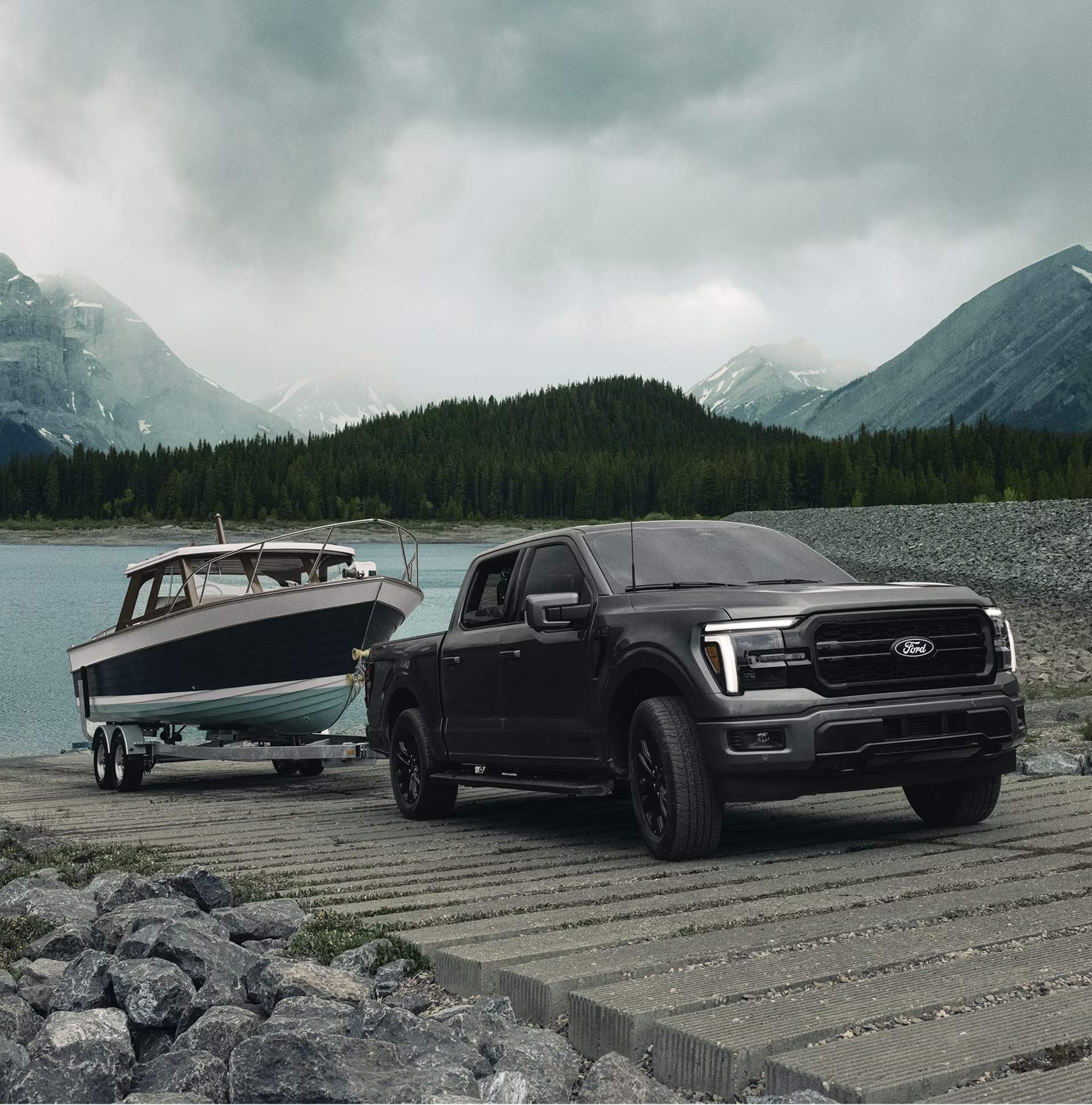
The PowerBoost Hybrid powertrain silences skeptics regarding electric-assist durability. Edmunds testing experts confirm the hybrid system provides incredible acceleration and refined towing stability. The electric torque fill actually improves low-speed towing control. The F-150 also features advanced towing tech like Pro Trailer Backup Assist. This system reduces driver steering error significantly.
Fuel economy numbers require a realistic check. The PowerBoost achieves around 21 MPG combined in real-world mixed use. That falls slightly short of the 24 MPG EPA rating. It remains highly competitive for a heavy full-size truck pulling gear up the Pali Highway. Predictable operating costs define true reliability.
The Bottom Line: Should You Buy a Ford Truck?
Ford trucks deliver above-average reliability paired with below-average repair costs. They offer the absolute best combination of capability, technology, and manageable total cost of ownership for most island drivers.
You should choose a Ford if you demand best-in-class towing technology. You should buy one if you value the rust resistance of an aluminum body in Hawaii. You will also benefit immensely from the fuel efficiency of the hybrid powertrain. You should skip buying a Ford if you plan to completely neglect basic maintenance schedules.
For new truck buyers, the current F-150 lineup represents Ford's most refined engineering generation ever. Used truck shoppers should strictly target 2015 to 2016 V8 models or newer 2017 Super Duty trucks. Cutter Ford has served Oʻahu for three generations. Our service department stocks the exact parts that fail most often in island conditions. We know exactly which preventative measures keep trucks running past 200,000 miles.
Find Your Next Ford Truck at Cutter Ford Today
Are you ready to experience genuine Ford reliability for yourself? Cutter Ford provides transparent pricing and expert maintenance support for drivers across Oʻahu.
Choose an option below to explore our live inventory, take advantage of seasonal specials, or schedule your next service appointment:
Browse New Ford F-150 Inventory
Complete Online Finance Application
Get Directions to Our Showroom
You can also call our dedicated truck sales experts directly at (808) 204-9444 or visit our dealership in person at 98-015 Kamehameha Hwy, Aiea, HI 96701.