

Used Truck Payload vs. Towing Capacity: What Oahu Buyers Need to Know
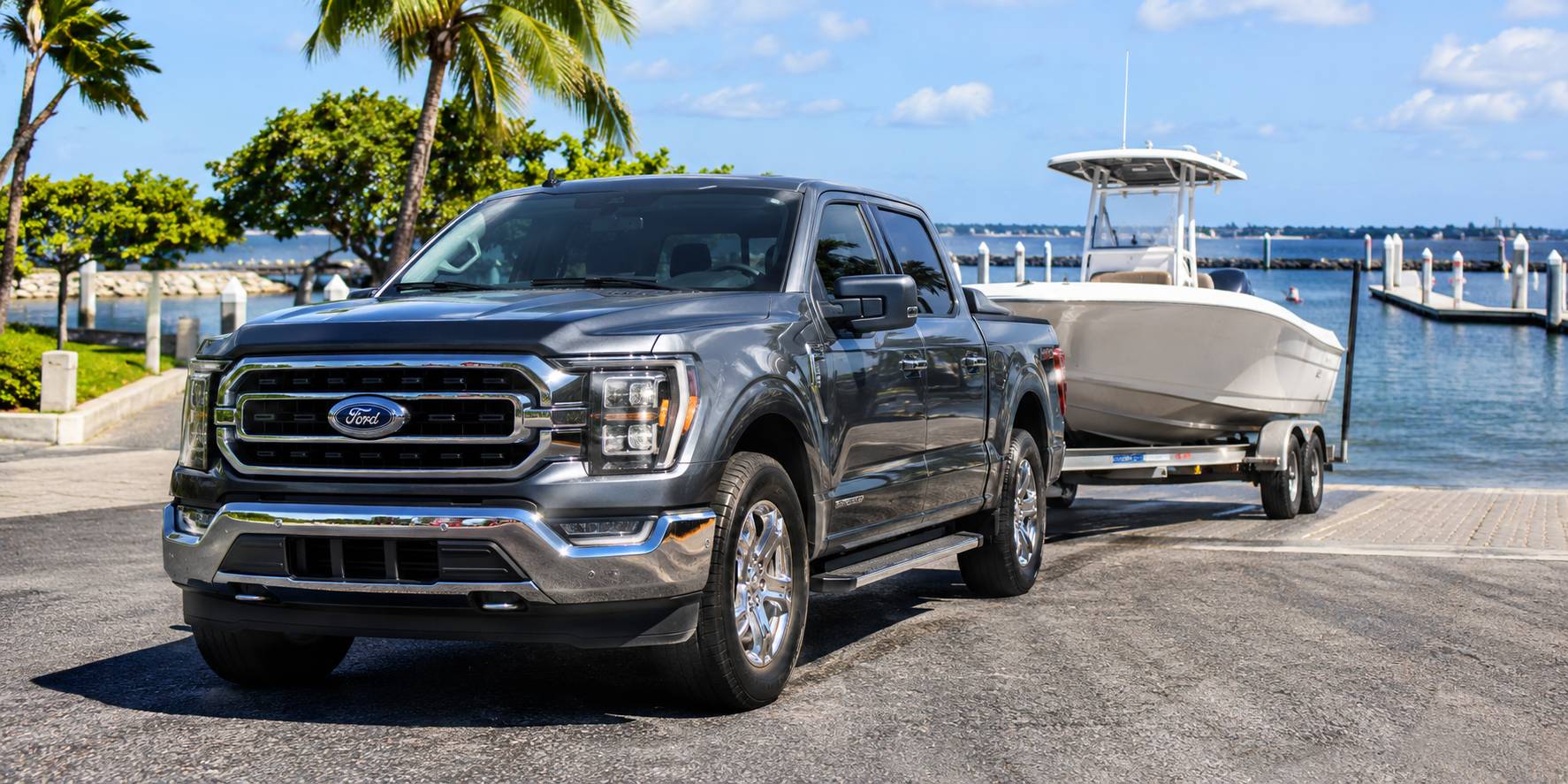
A used truck may look ready to haul equipment, carry supplies, or tow a trailer, but its actual capabilities depend on more than its size or engine.
Before buying a used pickup, it's important to understand two numbers: payload capacity and towing capacity. They measure different things, and confusing them can lead to choosing a truck that doesn't meet your needs.
At Cutter Ford in Aiea, we offer used trucks from Ford and other manufacturers, along with commercial vehicles for Oahu businesses. If you're comparing trucks for work or everyday driving, knowing how to check these ratings can help you make a more informed decision.
Payload vs. Towing Capacity: What's the Difference?
Payload capacity describes how much weight a truck can carry. Towing capacity describes how much weight it can pull behind it.
These ratings are related, but they aren't interchangeable.
| Rating | What it measures | Examples |
|---|---|---|
| Payload capacity | Weight carried by the truck | Passengers, tools, supplies, bed cargo, trailer tongue weight |
| Towing capacity | Maximum permitted loaded trailer weight | Boat trailer, equipment trailer, utility trailer |
| GVWR | Maximum allowable loaded weight of the truck itself | Truck, occupants, cargo, and applicable added loads |
| GCWR | Maximum allowable combined weight of truck and trailer | Loaded truck plus loaded trailer |
According to Ford's official towing guidance, payload depends on vehicle weight and its Gross Vehicle Weight Rating, while towing limits depend on the truck's specific configuration and equipment.
A truck with a substantial towing rating does not necessarily have equally substantial payload capacity.
That's especially important when carrying passengers and equipment while towing.
Why Payload Capacity Matters for Oahu Truck Owners
Imagine you're using a pickup to transport tools, landscaping materials, or equipment around Oahu.
Even if you never attach a trailer, the truck still needs enough payload capacity for everything you're carrying.
Your available payload must account for:
- Driver and passengers
- Tools and equipment
- Materials loaded in the bed
- Accessories added to the truck
- Applicable trailer tongue or hitch loads
A truck's rated payload isn't a separate allowance for each category. All applicable loads count toward the vehicle's carrying limit.
Example: Understanding Available Payload
Consider a hypothetical used pickup with a verified payload allowance of 1,500 pounds.
| Load | Example weight |
|---|---|
| Driver and passengers | 350 lb |
| Tools and supplies | 500 lb |
| Trailer tongue weight | 400 lb |
| Total | 1,250 lb |
| Remaining allowance | 250 lb |
These figures are illustrative, not specifications for a particular Ford model.
Additional cargo, accessories, or changes to the truck's equipment could affect the remaining capacity.
The vehicle must also remain within its axle, tire, and other applicable weight ratings.
For work trucks, this is why payload deserves attention before you decide which pickup to purchase.
How to Find the Towing Capacity of a Used Ford Truck
One of the most common mistakes when shopping for a used truck is relying on a maximum towing figure from an advertisement.
Manufacturers often publish maximum ratings for specific configurations. That doesn't mean every truck of the same model can tow the advertised amount.
Two Ford F-150 pickups from the same model year may have different capabilities because of differences in engine, drivetrain, axle ratio, equipment, and other specifications.
Step 1: Identify the Exact Truck
Start with the vehicle identification number (VIN), model year, engine, and drivetrain.
If you're considering a Ford Ranger, F-150, or Super Duty, check the exact configuration instead of relying on general model information.
Step 2: Check the Driver-Side Door Labels
Open the driver's door and examine the manufacturer's labels.
Depending on the vehicle, these may provide:
- Gross Vehicle Weight Rating (GVWR)
- Front and rear Gross Axle Weight Ratings (GAWR)
- Tire and loading information
- Maximum combined occupant and cargo weight
These labels help establish important limits for that individual truck.
They do not, by themselves, provide every detail needed to determine its permitted trailer weight.
Step 3: Consult the Correct Towing Guide
Ford provides towing guides for different model years, including older trucks.
Visit the Ford Towing and Trailering resource and select the guide matching the truck you're considering.
Check the guide's configuration requirements and any required towing equipment.
For a specific truck, Ford's VIN-based towing resources may also help identify applicable ratings when supported.
Step 4: Confirm Installed Equipment
A visible trailer hitch doesn't prove the truck has every component required for its maximum published towing rating.
Depending on the vehicle and trailer, additional equipment may be necessary.
Ask about the installed hitch, trailer wiring, brake controller, and any applicable factory towing package.
Three Common Towing Mistakes When Buying a Used Truck
Understanding these mistakes can help you avoid choosing a truck based on incomplete information.
1. Assuming a Hitch Means the Truck Is Tow-Ready
A truck may have a receiver hitch without having all the equipment necessary for the trailer you intend to use.
A hitch also has its own weight rating, which must not be exceeded.
Before purchasing, confirm the required towing equipment and the limitations of each component.
2. Ignoring Trailer Tongue Weight
When a trailer connects to a conventional hitch, part of its loaded weight presses downward on the tow vehicle.
This is called tongue weight.
Tongue weight can reduce the payload available for passengers, tools, and cargo.
Ford explains these relationships in its towing and trailering FAQs.
3. Using the Trailer's Empty Weight
A trailer that weighs one amount when empty may weigh considerably more once loaded with equipment, cargo, or fluids.
Use the expected fully loaded trailer weight when determining whether a truck can safely tow it.
Also check the truck's GCWR and other applicable ratings.
Which Used Ford Truck Should You Consider?
Different Ford trucks serve different needs, but model names alone don't establish their exact carrying or towing capacity.
| Truck | Worth considering for |
|---|---|
| Ford Maverick | Smaller cargo loads and everyday transportation |
| Ford Ranger | Midsize pickup needs with available towing capability |
| Ford F-150 | A wider range of pickup configurations and hauling requirements |
| Ford Super Duty | Applications that may call for higher carrying or towing ratings |
These are general shopping considerations, not promises about individual vehicles.
For example, a contractor transporting heavy equipment may need a different configuration from someone occasionally towing a small utility trailer.
A landscaping business might prioritize payload and bed accessibility, while a boat owner may focus more heavily on trailer weight and towing equipment.
At Cutter Ford, we offer used pickups as well as used commercial vehicles for shoppers considering work-related needs.
Available configurations change, so review the current listings before visiting.
What Should You Inspect Before Buying a Used Truck for Towing?
Capacity ratings tell you what a properly equipped vehicle was designed to handle. They don't confirm that a particular used truck is currently in suitable mechanical condition.
Before purchasing, arrange a qualified inspection and pay attention to components that may experience additional wear during hauling or towing.
Consider the following checklist:
- Frame and undercarriage: Check for significant corrosion, damage, or previous modifications.
- Suspension: Ask about worn springs, shocks, and other load-bearing components.
- Brakes: Have the braking system evaluated.
- Transmission: Review service records and investigate unusual operation.
- Cooling system: Check condition and relevant service history.
- Hitch and towing equipment: Inspect for corrosion, damage, and compatibility.
- Tires: Confirm condition, specifications, and load ratings.
For Oahu drivers, coastal exposure makes it especially useful to inspect metal components and connections for corrosion.
An independent pre-purchase inspection can identify concerns that may not be obvious from a test drive or listing photographs.
How to Compare Used Trucks at Cutter Ford
Once you understand your load requirements, you can begin comparing individual vehicles.
Start with our used vehicle inventory, where you can explore available pickups and other pre-owned vehicles.
For commercial applications, review our used commercial inventory.
When a truck interests you, gather the details you need before making a decision:
- Confirm its model year, VIN, and configuration.
- Check the manufacturer labels and relevant towing guide.
- Ask about installed towing equipment.
- Compare the ratings against your expected cargo and trailer loads.
- Arrange an appropriate inspection before buying.
If you're replacing an existing vehicle, our website also provides trade-in valuation resources to help you begin exploring your options.
Our Finance Center provides information about vehicle financing. Any approval and terms depend on the lender and your individual circumstances.
Find a Used Truck That Matches Your Needs on Oahu
The right used truck isn't necessarily the one with the highest advertised towing number. It's the one with verified ratings, suitable equipment, and a condition that supports the work you need it to perform.
At Cutter Ford, we help Oahu shoppers explore used pickups and commercial vehicles from our dealership in Aiea.
Cutter Ford
98-015 Kamehameha Hwy
Aiea, HI 96701
Sales: (808) 564-9777
Sales Hours:
- Monday–Saturday: 8:30 AM–8:00 PM
- Sunday: 9:00 AM–5:00 PM
Before visiting, contact our sales team to confirm availability and ask about the configuration of the truck you'd like to see.
Browse Used Trucks at Cutter Ford
We're here to help you compare your options and understand the details that matter before choosing your next truck.